
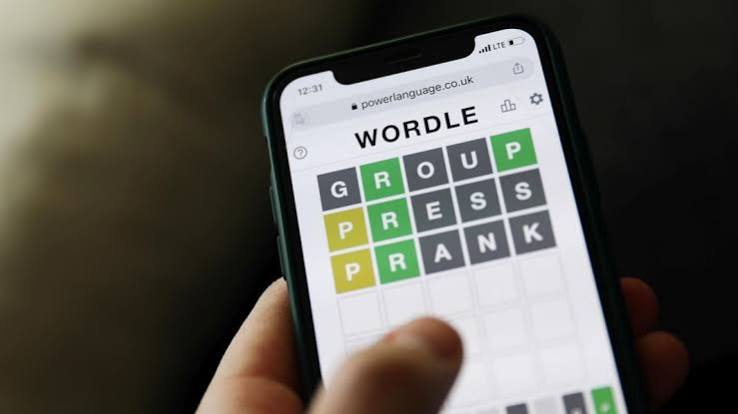
The runaway success of Wordle spawned a huge wave of spinoff and variant games, and Wordle Peaks is one of the names that comes up in searches from players looking for a fresh twist on the original formula. Here’s a breakdown of what this type of game typically involves and how it compares to the classic Wordle experience.
The Wordle Spinoff Landscape
Wordle’s simple, addictive format — one daily word, limited guesses, color-coded feedback — proved so popular that it inspired a huge ecosystem of independently developed variants, each putting its own spin on the core mechanic. Some swap the theme (music-based versions, geography-based versions, math-based versions), some change the word length or number of guesses, and others, like “Peaks”-style variants, introduce a numerical or spatial twist rather than sticking purely to letters.
How “Peaks”-Style Word Games Typically Work
Games using a “Peaks” concept generally build on the idea of numerical proximity feedback rather than Wordle’s letter-position color system. Instead of guessing a five-letter word, players are typically guessing a number (or a value tied to a hidden target), and after each guess, the game shows whether you’re getting “warmer” or “colder” relative to the hidden answer — visualized as a rising or falling “peak” or graph line that helps players narrow in on the correct value through a small number of guesses. This turns the game into more of a numerical guessing challenge with visual feedback, distinct from Wordle’s vocabulary-based format, while keeping the same daily-puzzle, limited-attempts structure that made the original so shareable.
How It Differs From Classic Wordle
The core difference comes down to what you’re actually solving for. Classic Wordle is a vocabulary and letter-logic puzzle — you’re narrowing down a five-letter word using position and inclusion clues. A “Peaks”-style game shifts the challenge toward numerical estimation and reasoning, using rising/falling feedback instead of green/yellow/gray tiles. Despite that difference, the underlying appeal is often similar: a short daily challenge, a limited number of attempts, and a satisfying “aha” moment when you close in on the correct answer.
Why These Wordle-Style Spinoffs Keep Appearing
Part of what makes the broader Wordle-variant trend so persistent is how well the original format translates to other domains. The daily-puzzle structure creates a habit loop, the limited number of guesses creates tension and a sense of achievement, and the shareable results format (without spoiling the actual answer) taps into the same social, comparison-driven sharing that made original Wordle go viral in the first place. Independent developers have applied this formula to everything from geography (“Worldle”) to music (“Heardle”) to math, and numerical-guessing variants along the lines of “Peaks” fit squarely into that same lineage.
Tips for Numerical Guessing Games
If you’re playing a Peaks-style or similar numerical guessing game, a binary-search approach tends to work well: start with a guess roughly in the middle of the plausible range, then use the “warmer or colder” feedback to cut the remaining range roughly in half with each subsequent guess, rather than guessing randomly. Paying attention to how dramatically the feedback shifts between guesses can also help you judge how large a jump to make next, since a small shift versus a big one usually signals how close you are.
Finding and Playing These Games
Because so many Wordle variants are built and hosted independently by small developers or hobbyist sites rather than through a single official publisher, it’s worth being cautious about which specific site you’re using — stick to well-reviewed, ad-light sites, and avoid any spinoff game that asks for unnecessary personal information or account creation just to play a simple browser puzzle.
The Bottom Line
Wordle Peaks-style games represent one branch of the massive wave of Wordle-inspired spinoffs, swapping the original’s letter-and-vocabulary challenge for a numerical, proximity-based guessing format while keeping the same daily, limited-attempt structure that made the format so popular in the first place. If you enjoy the core Wordle loop but want a different kind of thinking challenge, numerical variants like this are worth exploring.
Because independently developed Wordle variants change names, hosts, and mechanics frequently, always verify you’re on a legitimate, safe site before entering any personal information.